Windows 10 vs Windows 11 in 2024: Which OS Should You Choose?

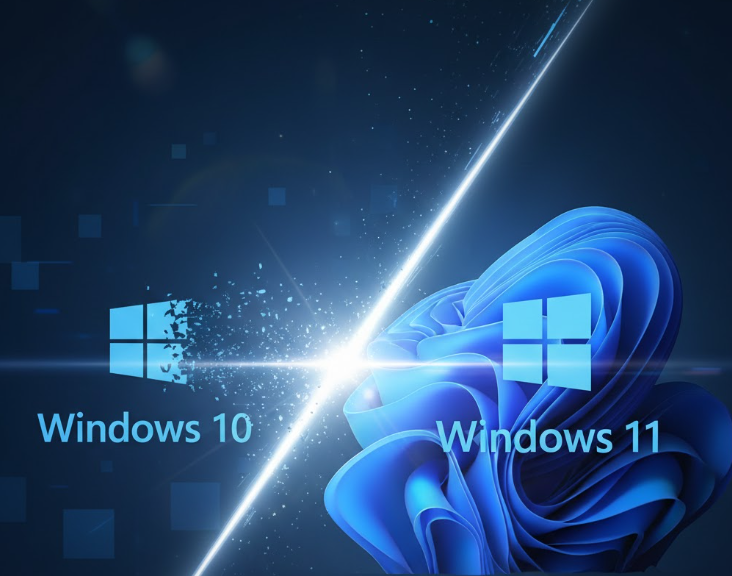
Choosing between Windows 10 and Windows 11 in 2024 is no longer a cosmetic preference—it is a strategic decision that affects security posture, hardware investment, productivity workflows, and long-term support costs. With Microsoft controlling roughly 75% of the global desktop operating system market, every OS transition has real-world consequences for individuals, businesses, and developers alike.
This article goes beyond feature comparison. Instead, it provides a decision framework grounded in real-world use cases, lifecycle economics, and emerging technology trends—helping you decide not just which OS is “newer,” but which one is right for you.
1. Innovation vs Stability: Two Different Design Philosophies
Windows 11 represents Microsoft’s forward-looking vision, while Windows 10 reflects a mature, battle-tested platform. Understanding this philosophical split is the foundation of an informed choice.
Security Evolution
Windows 11 introduces a hardware-rooted security model. Features such as Virtualization-Based Security (VBS), Kernel Data Protection (KDP), and mandatory TPM 2.0 shift protection from reactive software defenses to proactive hardware isolation. The 2024 update further enhances this with AI-driven threat detection, dramatically improving zero-day attack prevention.
Windows 10, however, remains exceptionally reliable. Its security stack—centered around Windows Defender, BitLocker, and cloud-based intelligence—has proven itself over years of enterprise deployment. For organizations prioritizing predictability and legacy compliance, this maturity still carries weight.
User Experience Design
Windows 11’s Fluent Design 2.0 emphasizes focus and touch-first interaction. Centered taskbars, Snap Layouts, and adaptive tablet modes reflect a future where laptops, tablets, and hybrids converge.
Windows 10, by contrast, favors control. Power users often prefer its traditional taskbar behavior and granular customization, especially when juggling multiple professional applications simultaneously.
2. Performance Isn’t Just Speed—It’s Efficiency
Raw benchmarks rarely tell the full story. The real difference lies in how each OS uses system resources.
Windows 11 optimizes modern hardware aggressively:
- DirectStorage significantly reduces game and media load times
- Dynamic refresh rates extend battery life
- Smarter memory compression lowers background overhead
Windows 10 excels on older or mixed hardware environments. Its 22H2 optimizations improved app launch speed without requiring NVMe SSDs or modern CPUs—making it ideal for legacy systems still delivering business value.
3. Hardware Compatibility: The Hidden Cost of “Free” Upgrades
Windows 11’s TPM 2.0 requirement is its most controversial aspect. While workarounds exist, they disable certain security and biometric features—undermining the OS’s core strengths.
For users with pre-2018 hardware, Windows 10 often remains the more rational choice. It supports older CPUs, legacy BIOS configurations, and a broader range of peripherals without driver friction.
Peripheral ecosystems tell a similar story:
Windows 11 shines with Thunderbolt 4, spatial audio, stylus input, and modern docks—while Windows 10 offers better compatibility with older printers, scanners, and enterprise security tokens.
4. Use Case Matters More Than Version Numbers
There is no universal “best” OS—only the best fit.
Creative Professionals
Windows 11 delivers tangible gains for video editing, 3D rendering, and multitasking workflows—especially on modern GPUs and SSDs. However, some CUDA-optimized pipelines still perform more predictably on Windows 10.
Business and Enterprise
Windows 10 remains dominant where legacy ERP systems, financial software, or compliance-heavy environments are involved. Windows 11, on the other hand, improves remote collaboration and modern device management through tighter Microsoft 365 integration.
Gaming
Competitive and HDR-enabled gaming favors Windows 11. Emulation-heavy or retro gaming setups often work better on Windows 10 due to broader compatibility layers.
5. Ecosystem Integration: Where the Future Is Headed
Windows 11 is clearly optimized for a connected ecosystem:
- Deeper Phone Link integration
- Enhanced Xbox and creator tools
- Native cloud-first workflows via OneDrive and Microsoft 365
Windows 10 supports these services adequately, but without the same level of system-wide integration or long-term roadmap investment.
6. Lifecycle Economics: Thinking Beyond 2025
Support timelines matter more than many users realize.
Windows 10 reaches end-of-support in October 2025 for consumers. Extended enterprise support is available—but at a cost. Windows 11, by contrast, offers a significantly longer runway, making it the economically safer option for new hardware purchases.
For developers and IT planners, this also signals where Microsoft’s innovation will concentrate: WinUI 3, Copilot, ARM-native Windows, and cloud-managed endpoints are all Windows 11–first initiatives.
7. A Practical Decision Framework (The 3-3-4 Rule)
Instead of asking “Which is better?”, ask:
- 30% Hardware Readiness – CPU generation, TPM version, SSD availability
- 30% Software Requirements – Legacy apps, OpenGL, 16-bit dependencies
- 40% Usage Pattern – Productivity, gaming, creativity, mobility
Score each honestly, and the right answer usually becomes obvious.
Final Thoughts: Productivity Over Trends
Upgrading an operating system should never be about chasing novelty. It should be about removing friction from your workflow and extending the useful life of your hardware investment.
Windows 11 is not automatically superior—but it is the future. Windows 10 is not obsolete—but its sunset is approaching. The smartest users test, validate, and migrate strategically rather than reactively.
In a fast-evolving technology landscape, the best operating system is the one that quietly enables you to work, create, and play—without getting in the way.